On 24 February 2026, the United Nations Security Council sanctions committee for Sudan added four individuals to the list of persons subject to targeted sanctions under resolution 1591.
The designations target those considered responsible for undermining peace and security in Darfur. The update coincided with reports presented to the UN Human Rights Council, highlighting evidence of what has been described as the hallmarks of genocide in recent violence around El Fasher. Sanctions of this nature are precisely designed to address such threats to international peace and security.
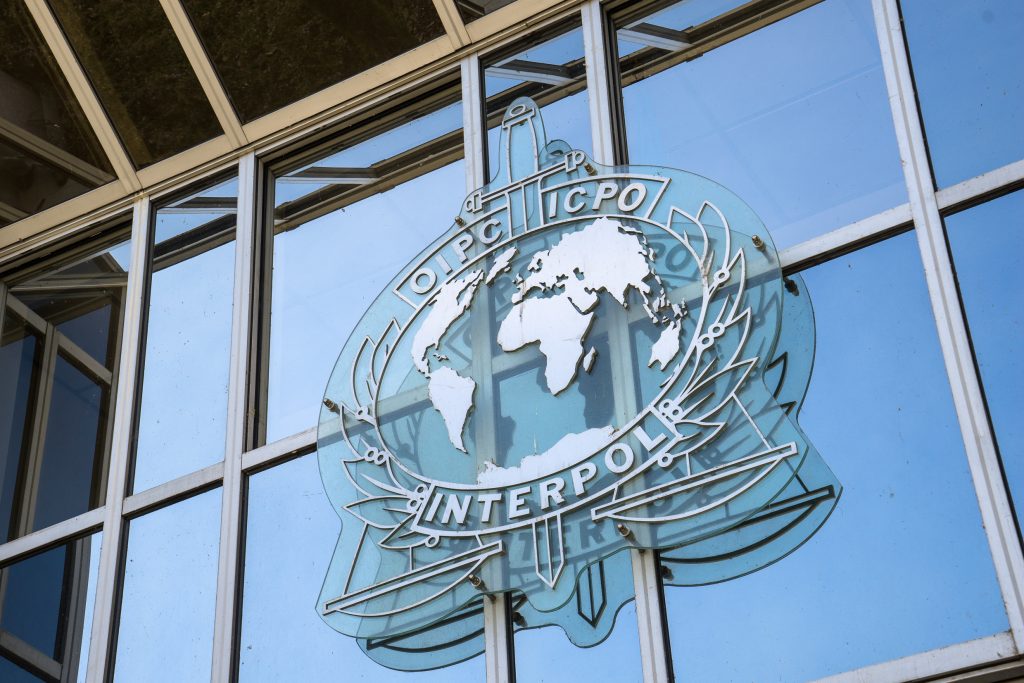
Sanctions committee decisions often pass with little fanfare. Yet once a name is added to a UN Security Council list, its effects extend far beyond the meeting rooms in New York. These designations are integrated into global enforcement systems, including through Interpol.
What is an Interpol–United Nations Security Council Special Notice?
A Special Notice is an Interpol alert issued specifically for individuals and entities placed under United Nations Security Council sanctions. It serves a different purpose from the better-known Red Notice. As our readers will know, a Notificación roja is a request from a member country for the location and provisional arrest of a person wanted for criminal prosecution or to serve a sentence.
En Interpol United Nations Security Council Special Notice is a different instrument entirely. It stems from collective Security Council action. Its role is to support member states in implementing binding sanctions measures, most commonly asset freezes, travel bans, and arms embargoes. It is not a request for arrest with a view to prosecution or extradition. It is an operational tool to give effect to international sanctions obligations.
How the Special Notice fits into Interpol’s wider system
Interpol operates a range of international alerts beyond Red Notices. The organisation also issues Green Notices, Yellow Notices, Notificaciones negras and others, each with distinct objectives. Special Notices illustrate something important: Interpol’s infrastructure is used not only for criminal law enforcement but also to support regulatory and sanctions regimes agreed at United Nations level.
Practical consequences for listed individuals
The effects are real. Persons subject to a Special Notice can face refusal of entry or transit at international borders in countries enforcing the sanctions, freezing of bank accounts and blocking of financial transactions by institutions complying with their due diligence obligations, and heightened monitoring by law enforcement agencies tasked with sanctions implementation. Because Security Council resolutions are binding on all UN member states, the notice system helps ensure these obligations are translated into practical action on the ground.
The bigger picture
The Sudan update is a clear example of how international enforcement works through interlocking mechanisms. A sanctions committee decision in New York leads to updated lists, which in turn generate Special Notices circulated by Interpol, which then inform domestic implementation measures. Each instrument has its own legal character and procedural rules. For anyone potentially affected, understanding the precise nature of the notice in question and the available avenues for challenge is critical.
—
Image: Jimmy Woo via Unsplash







 Spanish
  English